Few battery topics generate as much excitement as solid-state batteries. The promise is easy to understand: a battery that stores more energy, charges faster, and may be safer than today’s lithium-ion packs. The harder question is when those batteries will be in cars that people can buy. The honest answer is that the timeline has moved more than once, and that pattern tells you something important about the technology.
This guide looks at what solid-state means, why the dates keep shifting, and how to read the next announcement you see. Our aim is to help you judge the claims without losing the thread of what is actually happening.
What solid-state actually means
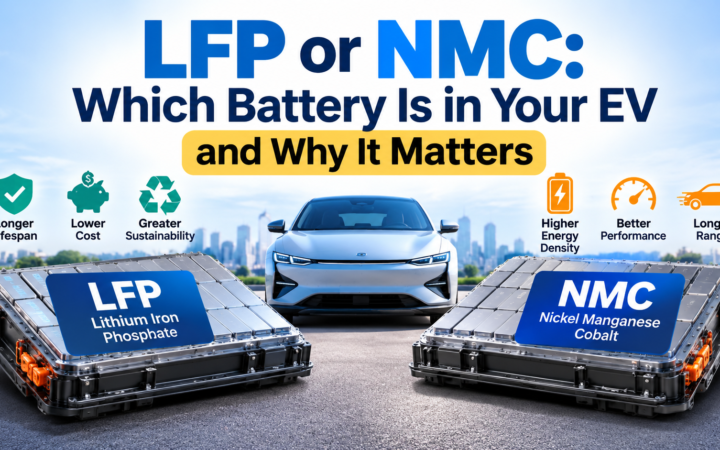
A conventional lithium-ion battery uses a liquid or gel electrolyte between the anode and cathode. A solid-state battery replaces that electrolyte with a solid material. The change sounds small, but it affects how the battery is built, how ions move, and how the cell handles heat and pressure. Solid electrolytes may allow higher energy density and may reduce some safety risks, though the exact benefits depend on the design.
The Battery Design overview of solid-state production timelines is a good place to see how different companies describe their progress. Read the timeline with the phrase “production-ready” in mind, because companies use that term in different ways.
Why the dates keep moving
Every major company working on solid-state batteries has moved its target date at least once. Some of those shifts come from manufacturing challenges. Making a solid electrolyte layer that is thin, uniform, and durable is difficult at scale. Other shifts reflect cost, supply chain limits, or the need to prove the battery in real vehicle conditions over years, not months.
This pattern matters. A date announced in a press release is a goal, not a commitment, and a company that has already changed its target may change it again. When you see a new timeline, ask what has changed since the last one and what the company has actually demonstrated.
A sign to watch: the public pullback
Some battery makers have publicly played down their own timelines, which is a signal that the path is harder than early announcements suggested. Reporting on the race to mass production and on the broader solid-state battery race describes how different players are approaching the problem. Check each source against the company’s own statements before you repeat the claim, because secondary coverage can blur the details.
Step 1: Separate the lab from the factory
A working cell in a lab is one step. A production line that makes millions of cells with consistent quality is another. Many headlines describe the first step as if it were the second. When you read a claim, ask whether the company is talking about prototypes, pilot lines, or volume production.
Step 2: Look for vehicle testing
A battery becomes real for car buyers only after it has been tested in vehicles, under heat, cold, vibration, and years of charging. Ask whether the company has published results from test fleets or road testing, and whether those tests cover the full range of conditions a car will face.
Step 3: Check the supply chain
Solid-state batteries need new materials and new manufacturing equipment. A company may have a good cell design but still depend on suppliers who are not ready. Look for news about partnerships, plant construction, and material supply. A plant that is under construction is a stronger sign than a plan on a slide.
Step 4: Read the timeline with a skeptical eye
Here is a simple way to judge any timeline. Note the date. Find the previous date the company gave. Check whether the change has been explained. If a company has moved its target more than once and has not explained why, treat the newest date as provisional.
What this means for car buyers
For someone buying a car in the next few years, solid-state batteries are unlikely to be a deciding factor. The technology may arrive first in limited models or niche markets before it reaches mainstream cars. A better buying decision today comes from the battery chemistry you have, the warranty you get, and how well the car fits your driving.
If you want to understand where the industry is going, follow the milestones that matter: vehicle testing, plant construction, and supplier agreements. Those tell you more than any single announcement.
Research note from the EVsFuture team: Timelines for solid-state batteries have moved repeatedly, so the dates in this article may already be out of date by the time you read it. Check each company’s latest investor or press materials before you quote a date. We have not listed a single production year because a reliable one does not yet exist.